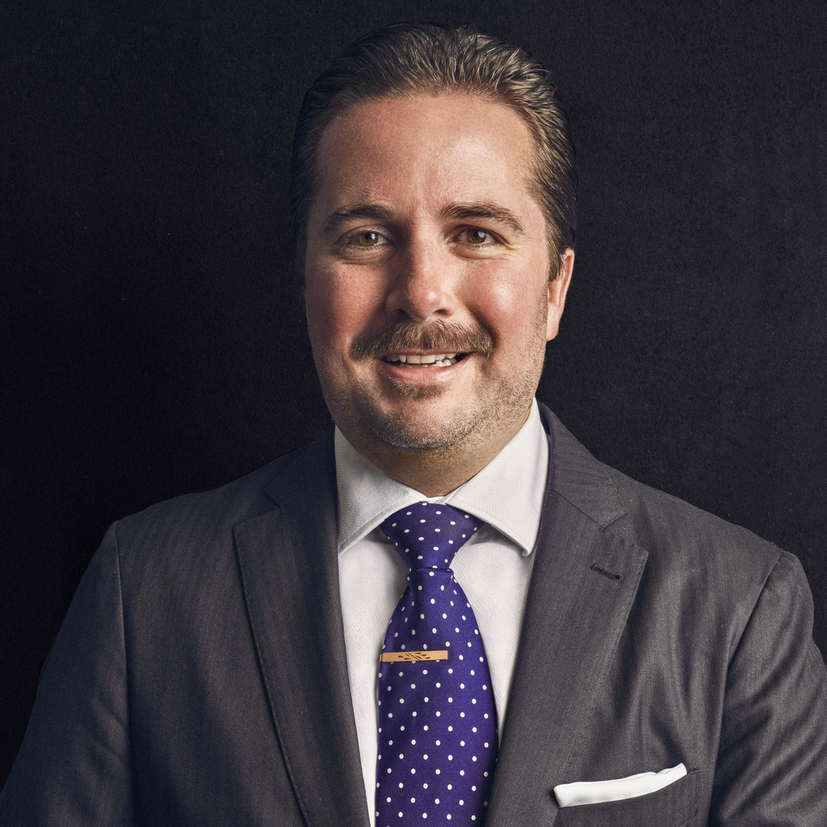
In this week’s column, California Sports Lawyer® CEO and Managing Attorney Jeremy M. Evans examines whether the 2026 World Cup can convert temporary attention into lasting American soccer fandom, sustainable sports businesses, and expanded player-development opportunities.
Watching the USMNT every four years creates an audience. Supporting a club throughout its season builds a lasting sports business and expands player-development opportunities.
You can read the full column below. (Past columns can be found, here).
~
A successful mega-sporting event can attract enormous audiences, but the true measure of the 2026 World Cup will be whether leagues, networks, sponsors, and clubs can convert temporary attention into lasting American soccer fandom. The quintessential question is whether soccer will become more popular in the United States after the champion has been crowned and the tournament leaves North America. The popularity of soccer in America is not just a financial question. It is also a talent-development question.
Whether the United States Men’s National Team (USMNT) will be more successful at the 2030 World Cup and beyond will depend partly on the player-development system built between tournaments. World Cup enthusiasm matters if it leads to more youth registrations, greater investment in coaching and academies, improved facilities, and clearer pathways from local clubs to college soccer, MLS NEXT Pro, the USL Championship, Major League Soccer (MLS), and international competition. Fandom alone does not develop better players, but the participation and investment generated by that fandom can expand the American talent pool.
Money, of course, is important. Professional athletes want to be paid well to play, and unfortunately, MLS does not pay as well as overseas leagues by a wide margin. MLS is successful, but a business needs to make money to retain talent and build a successful sports league. It cannot borrow money and rely on other league subsidies. It needs to turn a consistent profit and grow.
We wrote previously that the 2026 World Cup was a fantastic success. The stadiums were full while the USMNT competed and after it exited the tournament. Fans from around the world fell in love with America and its culture. The biggest controversy was a red card given to an American player, which is to say that there was little to no controversy off the pitch. We should be grateful that people enjoyed themselves and that two of the biggest surprises were the hospitality and the heat in some American cities. Americans should be proud of how the country, FIFA, government leaders, and sports businesses hosted the tournament. Americans also showed grace in hosting, and those stories will help spread the love of the game. It is also true that visitors to the United States and their cultures have had and will continue to have an impact on Americans.
Advertising also changed around the game with “hydration breaks.” Normally, soccer is an uncomfortable subject for advertisers because there are no frequent timeouts or commercial breaks, and thus fewer opportunities to sell advertising space. Soccer is a continuous game, although fouls and video assistant referee (VAR) reviews often delay the game and could provide opportunities for split-screen commercial breaks.
The business test should be measurable. MLS, MLS NEXT Pro, and USL Championship attendance and viewership, youth registrations, local-club sponsorships, merchandise sales, and investment in development academies will show whether the World Cup created lasting domestic value. Another important measure will be whether casual viewers establish connections with particular teams and continue following them after national-team competition ends. Watching the USMNT every four years creates an audience. Supporting a club throughout its season creates a lasting sports business and more player-development opportunities.
The 2026 World Cup benefited from being held mostly in the United States and from record interest across television, streaming, and social media. The more difficult test will come between now and 2030, when the tournament will be hosted primarily in Spain, Portugal, and Morocco. The World Cup has already passed the test as a successful mega-event. American soccer must now prove that it can retain the fans, investment, and cultural relevance produced by the tournament while strengthening player-development.
America has work to do. Americans have shown that they can build successful sports businesses, as demonstrated by the country’s leading professional baseball, basketball, football, and hockey leagues. American soccer can do the same, but growth will require investment and competition.
~
About Jeremy M. Evans:
Jeremy M. Evans is the Chief Entrepreneur Officer, Founder & Managing Attorney at California Sports Lawyer®, representing entertainment, media, and sports clients in contractual, intellectual property, and dealmaking matters. An award-winning attorney and industry leader, Evans is based in Los Angeles and Newport Beach, California. He can be reached at Jeremy@CSLlegal.com. www.CSLlegal.com.
Copyright © 2026. California Sports Lawyer®. All Rights Reserved.