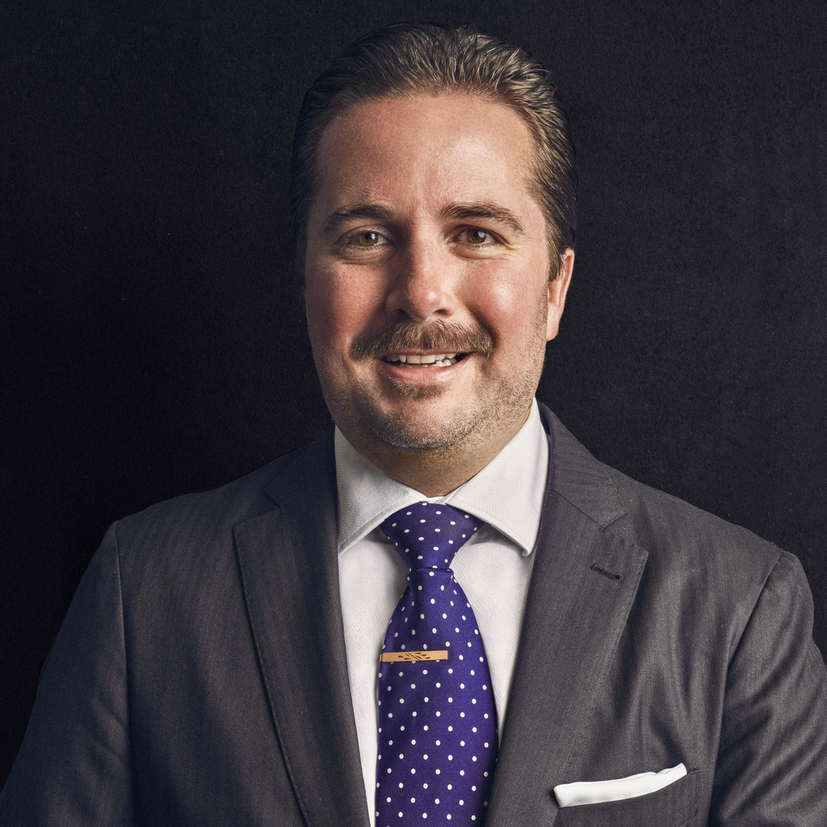
In this week’s column, California Sports Lawyer® CEO and Managing Attorney Jeremy M. Evans examining the evolving intersection of antitrust law, athlete power, and the business of sports.
Antitrust policy is now a strategy in the boardroom as opposed to some oft-used challenge.
You can read the full column below. (Past columns can be found, here).
~
The sports economy is changing and with that sports business models are in flux. Major League Baseball (MLB) is working to gather up control over regional sports network (RSN) rights for its 30 teams and has moved closer to its goal with at least six teams leaving RSN Main Street Sports for MLB. MLB hopes to have control of all 30 MLB television rights by 2028 so it can sell a national package for more dollars and no viewership blackouts.
Separately, ESPN’s acquisition of the NFL Network and related media assets gives the National Football League (NFL) a 10% ownership in stake in ESPN. This change is monumental, altering longstanding distribution dynamics. The deal required federal antitrust approval, which was approved. The broadcast rights consolidation and structural shifts echo’s how leagues are now monetizing content and sharing power with players since the players receive the benefit of revenue.
Relatedly, athlete leverage is on the rise, challenging legacy power structures. Name, image, and likeness (NIL) has upended college athletics to the point where many are calling it the wild west of college sports. College athletes now choose when to transfer, when to play, how much to get paid, and without much incentive to graduate and earn a degree. Coaches often leave for more money showing little loyalty to brands, players, and alumni, let alone education. Labor peace has been consistent in the professional leagues to date, but there is concern that there will be a work stoppage in MLB after the 2026 season when the current collective bargaining agreement expires. Furthermore, there is little to no NCAA rules when it comes to athlete recruiting for dollars except the minimums provided by the House settlement.
Antitrust policy is now a strategy in the boardroom as opposed to some oft-used challenge. Competition law is now a strategic consideration for entertainment, media, and sports businesses. Consolidation in these aforementioned industries especially could impact pricing, access, and competitive engagement with consumers. The ESPN-NFL media deal is the most recent case-in-point requiring antitrust approval.
Power in sports is beyond who gets paid. It is about what person or entity controls access to markets, distribution channels, and branding across platforms. ESPN, for example, will now have an expanded rights footprint that includes the NFL Network, RedZone, and fantasy football assets that will shift to vertically integrated media control with once competitive impacts or at least complimentary customer use.
Leagues and conferences in professional and collegiate sports will likely look ahead to antitrust strategy in governance reforms. Athletes may also consider how to organize collectively to increase their bargaining power. This is likely to happen in college sports with a luxury tax or salary cap around how much athletic departments and team managers can spend coinciding with standard contracts and terms tying athletes and coaches to universities for longer with an eye toward graduation rates. New commercial ventures like Zuffa’s Boxing league model and potential legislative efforts to alter the Ali Act will be debated and negotiated as it is related to competitive balance and athlete influence. Again, antitrust law is now a major strategy in a competitive, but shrinking space as distribution models and reach continue to change with consumer interests.
~
About Jeremy M. Evans:
Jeremy M. Evans is the Chief Entrepreneur Officer, Founder & Managing Attorney at California Sports Lawyer®, representing entertainment, media, and sports clients in contractual, intellectual property, and dealmaking matters. An award-winning attorney and industry leader, Evans is based in Los Angeles and Newport Beach, California. He can be reached at Jeremy@CSLlegal.com. www.CSLlegal.com.
Copyright © 2026. California Sports Lawyer®. All Rights Reserved.